

Technology
Photoporation: a unique transfection method
Photoporation is a physical method of transfection based on the interaction between pulsed laser light and photothermal nanosensitizers.
The Power Of LumiPore®

Gentle
- High viability and high efficiency, without trading one for the other
- Phenotype and function stay intact, so your data reflects biology, not delivery stress
- Fast recovery means downstream assays start on schedule, not after a delay

Flexible
- One platform for small molecules, proteins, and nucleic acids, no separate method per payload
- Adherent and suspension cells, no cell type locks you out
- Recipient-agnostic: 6- to 1536-well plates, slides, and flasks

Scalable
- Full 1536-well plate processed in under 10 minutes
- Inter- and intra-plate consistency, delivery you can trust across the whole screen
- Automation-compatible by design
When irradiating the proprietary nanosensitizers with laser light, highly localized light-induced thermal and mechanical forces are generated. When the nanosensitizers are in close contact with the cell membrane, these light-induced forces can form transient pores in the membrane through which external effector molecules can enter the cell. This technology is a next-generation intracellular platform for efficient, flexible and safe delivery of a wide variety of payloads in a broad range of primary and hard-to-transfect cells.
About transfection
What is transfection?
Transfection is a commonly-used method for introducing foreign macromolecules, such as mRNA, proteins and dyes, into cells. Under normal conditions, the cell membrane forms a barrier to prevent this from happening.
There are a variety of techniques used to permeabilize the cell membrane, involving chemicals, electrical pulses or viral vectors, but these are currently expensive, carry risks, and/or are time consuming.
See the table for a comparison between these techniques and photoporation.
What is transfection used for?
Transfection is commonly used to introduce or alter genes in recombinant cells to study gene function. The rising popularity of cell and gene therapy is also providing a new use for this technique: adapting human cells for therapeutic use.
This obviously requires much more stringent safety standards, since the altered cells will be re-introduced into the human body.
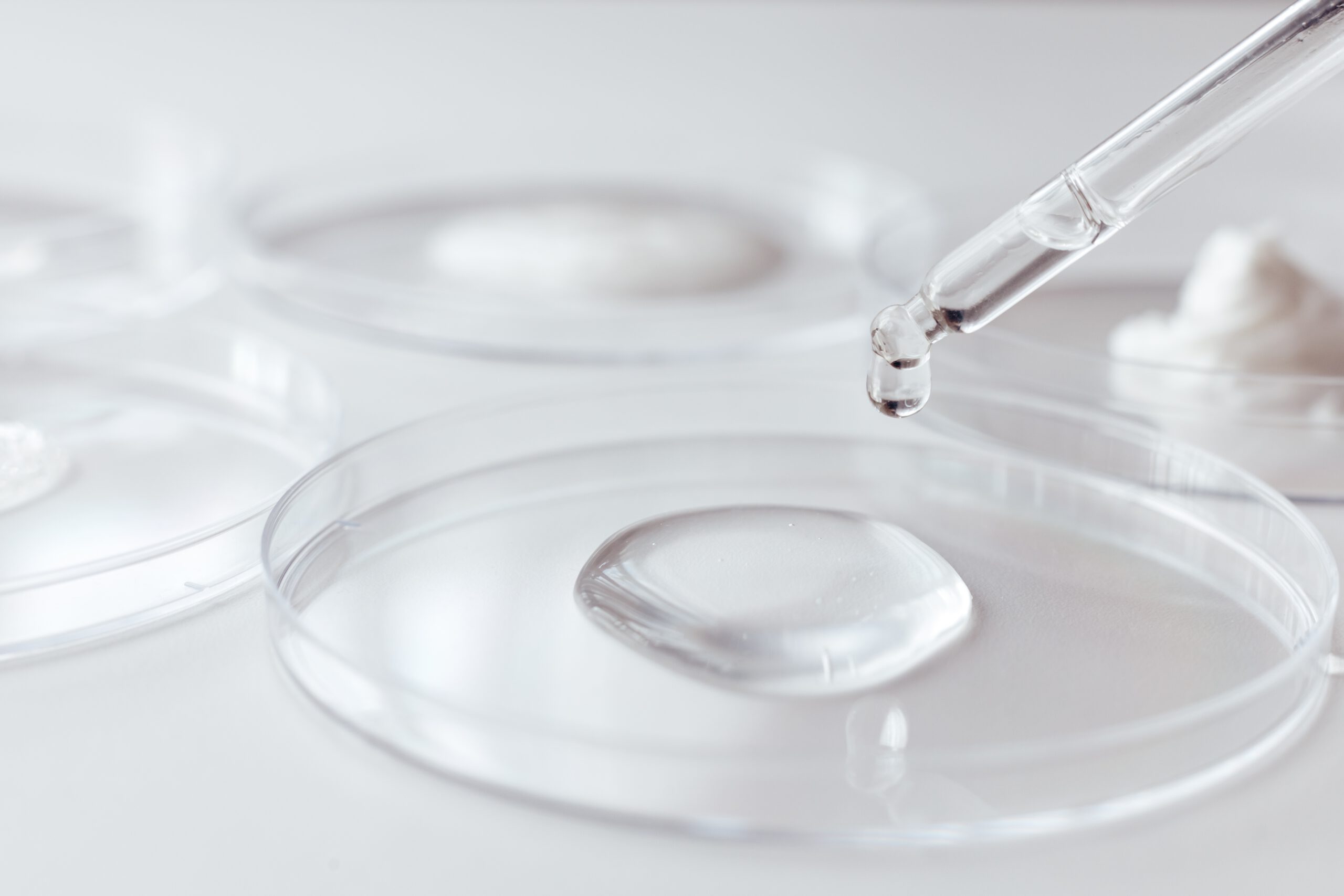
How does photoporation work?
Method one: using nanosensitizers
For R&D and clinical applications of transfected cells:
- Photothermal nanosensitizers and payloads of interest are added to the cell culture medium and incubated with cells.
- Upon laser irradiation, the cell-associated photothermal nanosensitizers heat up and form nano-vapor bubbles, thus creating pores in the plasma membrane. External macromolecules can enter the cells through these membrane pores.
- The cells quickly reseal the plasma membrane, resulting in efficiently transfected cells with excellent viability and functionality.
Applications of photoporation
As well as providing an advantageous method of transfecting cells for R&D applications and cell therapies, photoporation has a range of further potential applications such as:
- gene editing & disease modeling
- SCRIPS/RNAi screening
- biopharmaceutical library screening
- protein production
- mammalian cell displays
Reference: Xiong et al. Adv. Phys. (2016)


High-Throughput Transfection.Automation-Ready.
Seamless integration into your existing robotics workflows. No media exchange required. From R&D suspensions to clinical nanofiber structures.